Diploma in Gynecologic Endoscopic Surgery, MClinEmbryol,
EFOG-EBCOG., EFRM-ESHRE/EBCOG.
It is widely accepted that the COVID-19 crisis, a problem for the whole world, together with the Russia-Ukraine war, has affected unemployment and pushed up energy costs and the cost of living worldwide.
The Rising Cost of Living Over the Past 2 Years
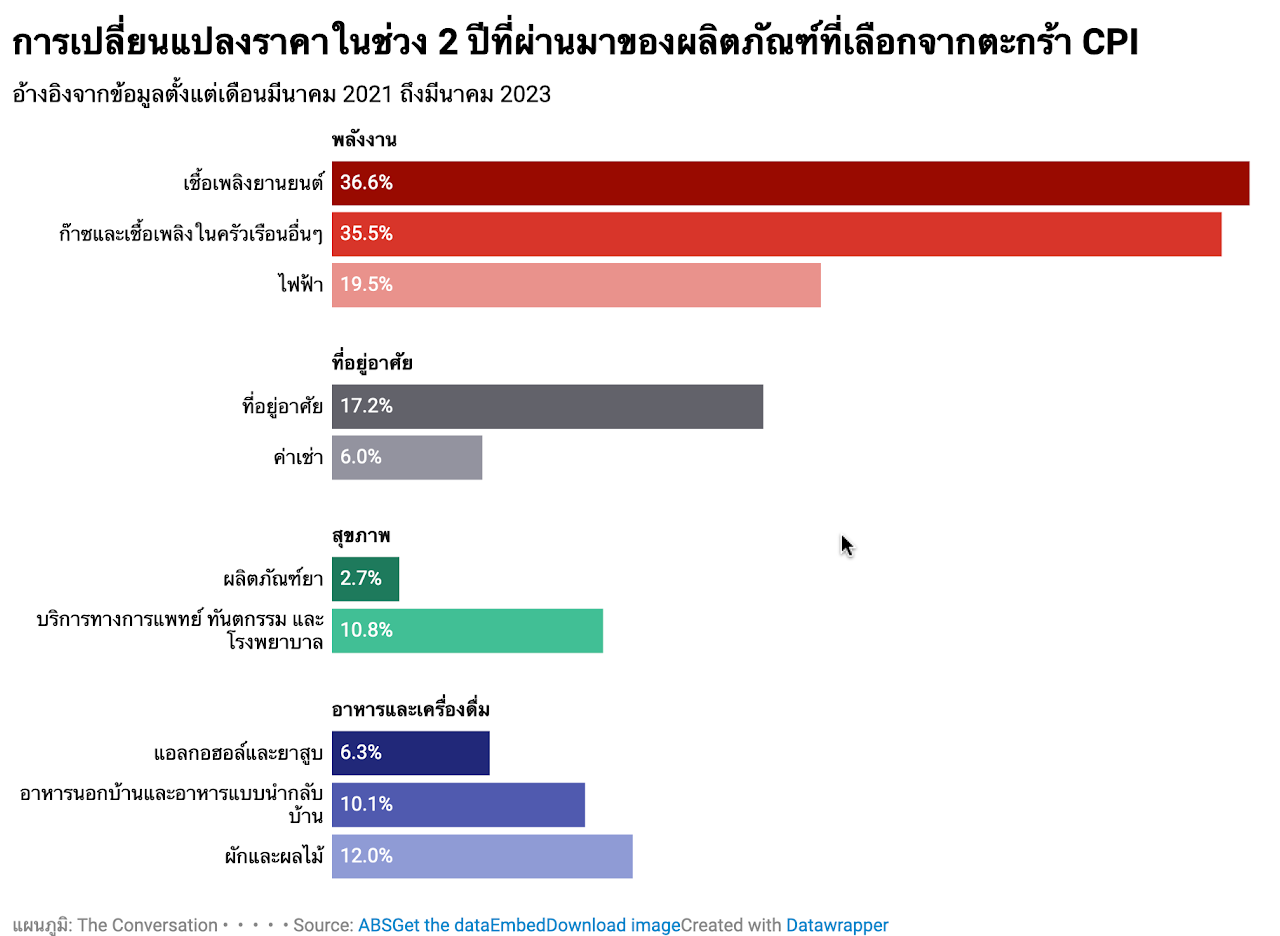
Figure 1 Increases in the cost of living across different areas in Australia, comparing March 2023 (B.E. 2566) with March 2021 (B.E. 2564)
Figure 1 shows the change in the cost of living in Australia, comparing March 2023 (B.E. 2566) with March 2021 (B.E. 2564). (I couldn't find this data for Thailand at all. There are only scattered data points, which can't be compared.) It shows that energy costs rose the most. In other countries, this was linked to inflation. In Thailand, inflation did not rise much, but we faced deflation (meaning there is not much money circulating in the system) because of higher interest rates after the Bank of Thailand raised rates. That also pushed up the cost of living. Figure 1 shows that the costs that allow us to stay healthy, namely hygienic food, healthcare, housing and utilities (especially energy), all rose by 11-37%.
Who Is Hit Hardest?
The higher cost of living affects everyone in society, but it does not affect every family equally. High-income families can cope with the higher cost of living by cutting unnecessary spending and saving more. Low-income families, on the other hand, can save less, because basic living costs have gone up. All their income goes to essential expenses, and it may not even be enough. This drives up household debt, and interest on loans rises even more, so even more income is lost to loan interest. In the end, these problems inevitably affect health.
How Financial Stress Affects Health
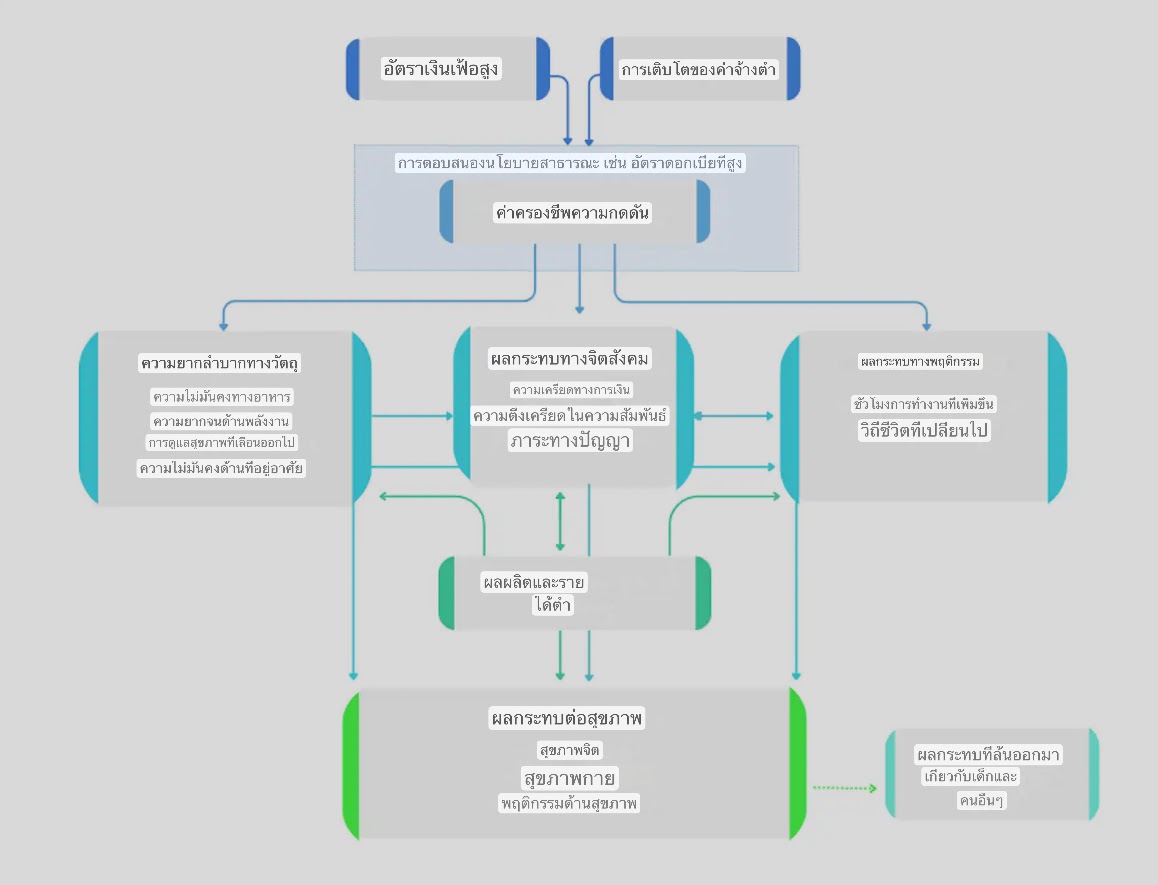
Figure 2 The effects of financial stress on health
The effects of financial stress on health are summarized in Figure 2. Financial stress affects health in 3 ways: material hardship, psychological and social effects, and effects on behavior.
Material hardship
People facing material hardship cannot meet their basic needs because they cannot afford them.
Material hardship can show up in many ways:
Food insecurity – not getting enough nutrition
Energy poverty – struggling to pay electricity and gas bills
Deferred healthcare – putting off medical treatment
Housing insecurity – struggling to find stable housing
Finding yourself in this situation can have wide-ranging effects on health. For example:
Food insecurity is linked to a higher risk of poor nutrition, obesity and chronic illness, as households under cost-of-living pressure switch to cheaper, lower-quality food.
Energy poverty is linked to physical and mental health problems, as people struggle to stay warm in winter and cool in summer.
Delayed healthcare increases the risk of serious health problems, longer hospital stays and emergency department visits. This is not only worse for the individual but also more costly for our healthcare system.
2. Psychological and social effects
Psychosocial effects are the ways cost-of-living pressure affects our minds and our social relationships.
Difficulty meeting our basic needs is strongly associated with higher levels of psychological distress, including symptoms of anxiety and depression.
These effects can get worse over time if a person experiences ongoing financial stress.
By undermining our ability to function well, the psychosocial effects of prolonged financial stress can start a "vicious cycle" that leads to lower productivity and lower income.
Financial stress can harm the relationship between spouses, which can in turn affect the mental health of other household members, such as children.
3. Effects on behavior
For many people, these pressures have become a reason to work longer hours to earn extra income. But working long hours lowers people's overall health, especially among parents of young children, who face greater time constraints.
It also leaves less time for activities that help people stay healthy, such as regular exercise and cooking healthy meals.
How Can We Solve These Problems?
Right now, the country's economy has both inflation and deflation. The principle for dealing with deflation is for the Bank of Thailand to cut interest rates. Raising interest rates, as is happening now, directly increases the cost of borrowing, which makes deflation worse. And deflation inevitably compounds the rising cost of living and its effects on health, in both the short and long term.
Finally, I call on the country's policymakers in both monetary and fiscal policy to focus on making sure that affordable and timely healthcare, especially mental health support, is available to those at risk from the soaring cost of living.
Wishing you all good health,
Dr. Patsama
Leave a comment
* This article is general health education. Diagnosis and treatment should be guided by your doctor. Results vary with age and individual medical factors.
Dr. Patsama Vichinsartvichai, MD, MClinEmbryol, EFOG-EBCOG, EFRM-ESHRE/EBCOG, FACOG is a board-certified reproductive endocrinology & infertility specialist, former head of the Vajira IVF unit at Navamindradhiraj University, and founder of LIFE by Dr. Pat in Bangkok. His published research focuses on the dysmorphic (T-shaped) uterus and uterine-factor infertility.
 LIFE by Dr. Pat