Diploma in Gynecologic Endoscopic Surgery, MClinEmbryol,
EFOG-EBCOG., EFRM-ESHRE/EBCOG
18 December 2023 (B.E. 2566).
I believe many of my patients with infertility have been told at some point that they have PCOS (polycystic ovary syndrome). Some are left confused: why don't I ovulate much, when my period comes every month? Others had an ultrasound in their early 20s and were told, "You have a lot of follicles, it's probably PCOS." And some really do have PCOS. Today, let's look at what PCOS actually is.
How Is PCOS Diagnosed?
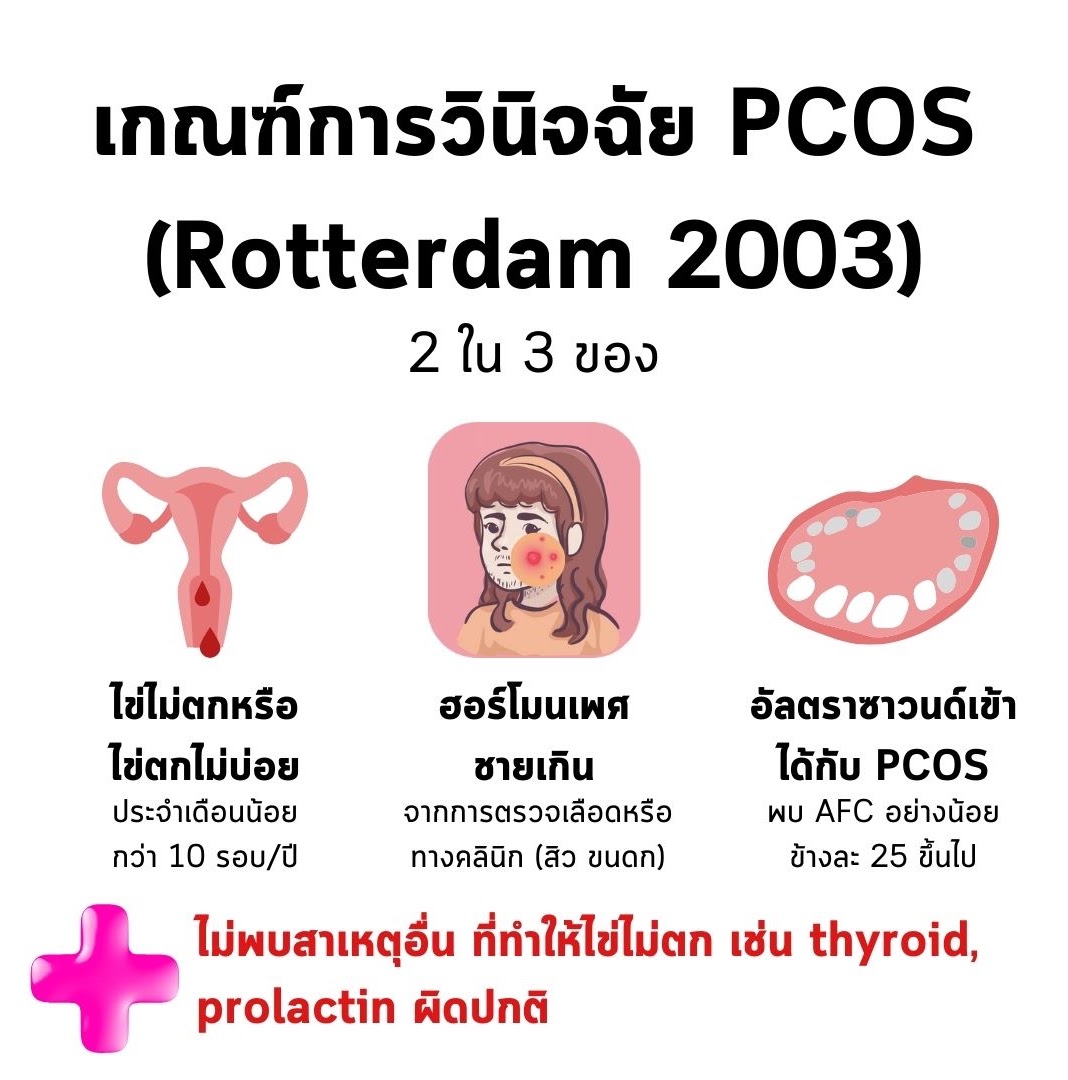
There are several sets of diagnostic criteria for PCOS. However, the most widely used are the Rotterdam 2003 criteria, developed jointly by the European Society of Human Reproduction and Embryology (ESHRE) and the American Society for Reproductive Medicine (ASRM), as shown in Figure 1.
Figure 1. The Rotterdam 2003 diagnostic criteria for PCOS
Other causes that can produce the same symptoms as PCOS must be ruled out first.
Other Conditions That Look Like PCOS
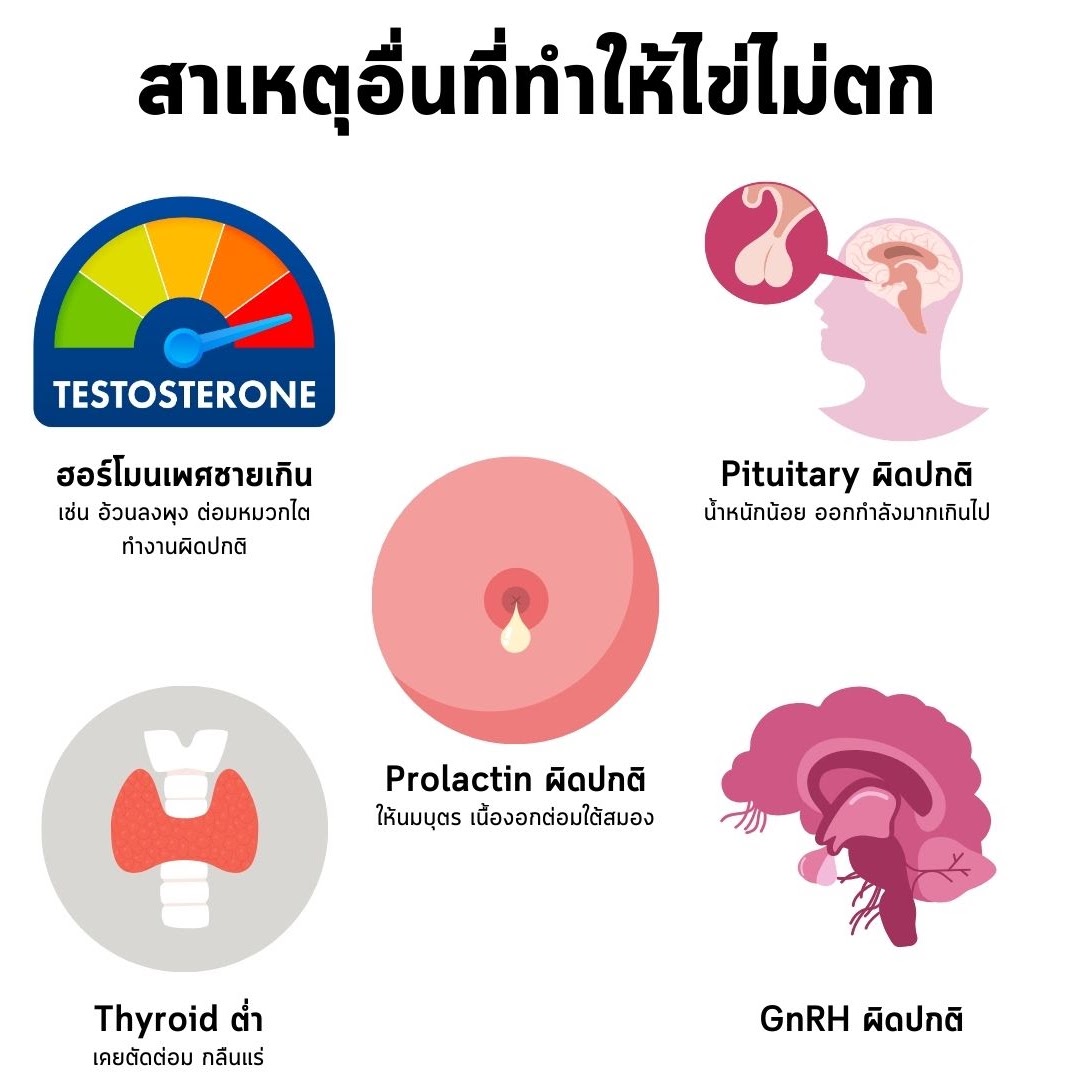
Figure 2. Other causes with symptoms similar to PCOS
Many conditions can cause symptoms similar to PCOS, as shown in Figure 2. Further testing is needed to tell them apart and treat them appropriately. Conditions that are commonly seen include:
Low thyroid hormone (hypothyroidism), including after surgical removal of the thyroid gland or after radioactive iodine treatment for hyperthyroidism
A prolactin-producing tumor of the pituitary gland (prolactinoma). This raises prolactin levels and suppresses FSH and LH, so ovulation does not happen. There may also be nipple discharge (milk) and breast tenderness.
Adult-onset (non-classic) congenital adrenal hyperplasia (CAH). This is an inborn condition in which an enzyme involved in making sex hormones is deficient. As a result, female sex hormones are not made properly and male sex hormones build up.
Very low body weight, for example from anorexia nervosa or bulimia nervosa
Excessively intense exercise, for example in athletes and ballet dancers
What Causes PCOS?
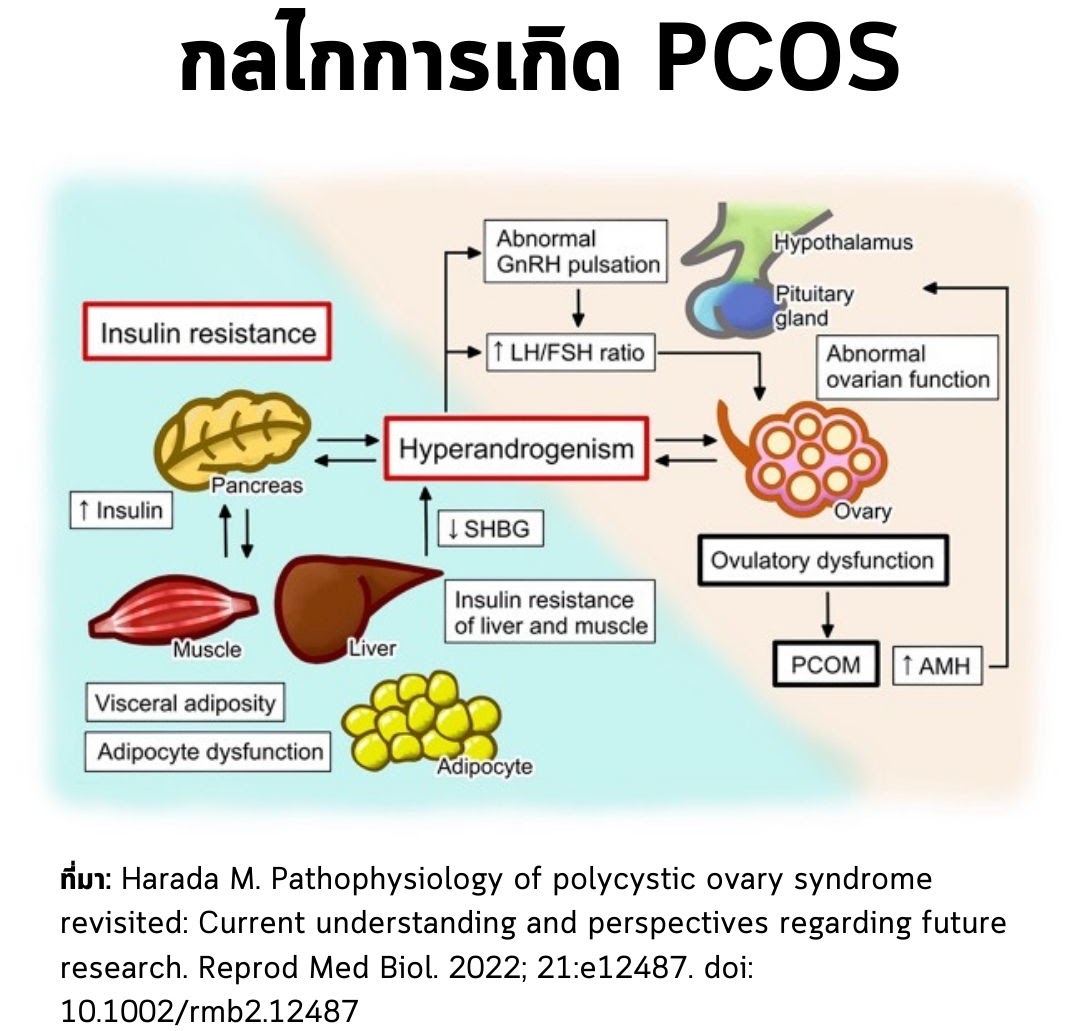
The exact cause of PCOS is still unknown. One hypothesis is that it stems from central (abdominal) obesity. Fat in the abdomen leads to insulin resistance, which makes the pituitary gland work abnormally, so follicles cannot grow to the point of ovulation, as shown in Figure 3.
Figure 3. How PCOS develops
Treating PCOS
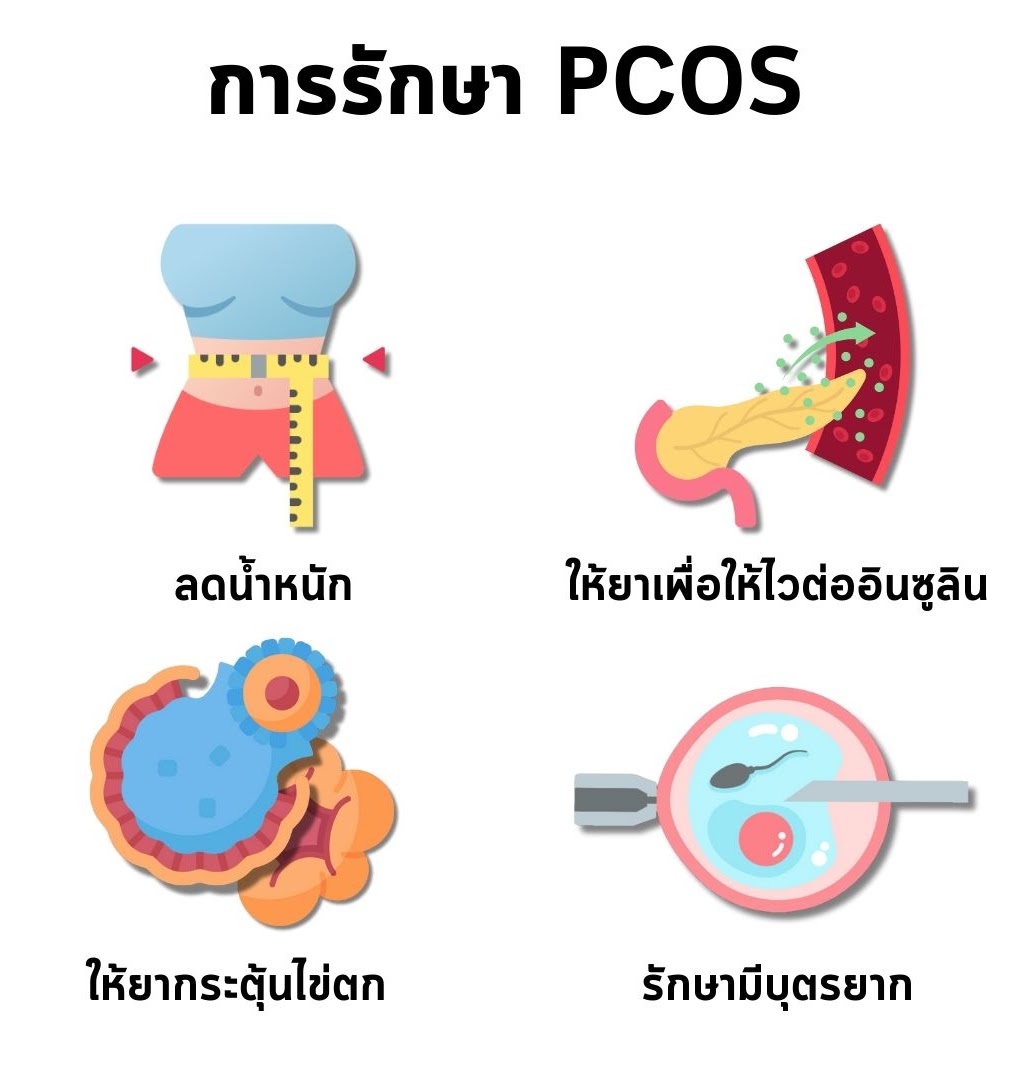
Treatment of PCOS depends on your symptoms and whether you want to have children. The principles are shown in Figure 4.
Figure 4. Principles of PCOS treatment
The goal of PCOS treatment is to restore normal ovulation, or at least to make periods regular. There are many treatment options, and several can be used together.
Weight loss, especially around the belly, through diet (cutting down on starch and sugar) and more exercise. Aim to lose weight gradually (about 0.5 kg a month) and keep it off. The goal is to lose at least 5% of your current body weight, which is enough to bring ovulation back to normal.
Making periods regular. With PCOS, ovulation is chronically absent, so the endometrium is constantly stimulated by estrogen, without the progestogen needed to make the whole uterine lining shed as it does during a normal period. This raises the risk of endometrial hyperplasia and endometrial cancer. Hormones that make periods regular can help, such as cyclic progestogen, or birth control pills for women who do not want to get pregnant.
Medication that helps the body respond better to insulin, such as metformin
Medication that induces follicle growth and ovulation (ovulation induction), such as clomiphene citrate or letrozole, for women who want to have children. This can also be combined with intrauterine insemination (IUI).
IVF
* This article is general health education. Diagnosis and treatment should be guided by your doctor. Results vary with age and individual medical factors.
Dr. Patsama Vichinsartvichai, MD, MClinEmbryol, EFOG-EBCOG, EFRM-ESHRE/EBCOG, FACOG is a board-certified reproductive endocrinology & infertility specialist, former head of the Vajira IVF unit at Navamindradhiraj University, and founder of LIFE by Dr. Pat in Bangkok. His published research focuses on the dysmorphic (T-shaped) uterus and uterine-factor infertility.
 LIFE by Dr. Pat