In more than 10 years of caring for people with infertility, there is one question that, honestly, I don't think is very important or necessary, yet almost 100% of patients ask it. They ask me, they ask friends who are also going through infertility, they ask on social media, and they follow well-known people who are going through or have gone through fertility treatment and then turned to selling products, building profitable businesses on the hopes and dreams of people still going around in circles in this world. That question is about supplements, vitamins and diet during IVF: what can help us succeed quickly and get the result we want?
Before we get into it, I want to say that people with infertility are a somewhat vulnerable group and are easily persuaded. If just anyone put a vitamin, supplement or herb in front of them and said, "Buy this and take it, and I promise you'll get pregnant," I believe more than 90% of patients would pull out their money before stopping to think: wait, does this really help? How does it help? Through what mechanism does it work?
Before you buy anything, pause and take a breath three or four times. Stay calm, stay calm, stay calm. That is the only thing that will carry you through these emotional crises. Remember that everything is a double-edged sword. Anything with benefits may also have downsides, and some may even do real harm.
I came across the article 'Nutritional supplements and IVF: an evidence-based approach' by Dr. Robert Hart, published in Reproductive Biomedicine Online in its March issue, hot off the press, so I've summarized it for you. I think it will be useful. For some of the illustrations, I gave ChatGPT the PDF of this article and asked it to make pictures. They came out colorful and attractive, but I had to correct most of the content myself. Let's take a look.
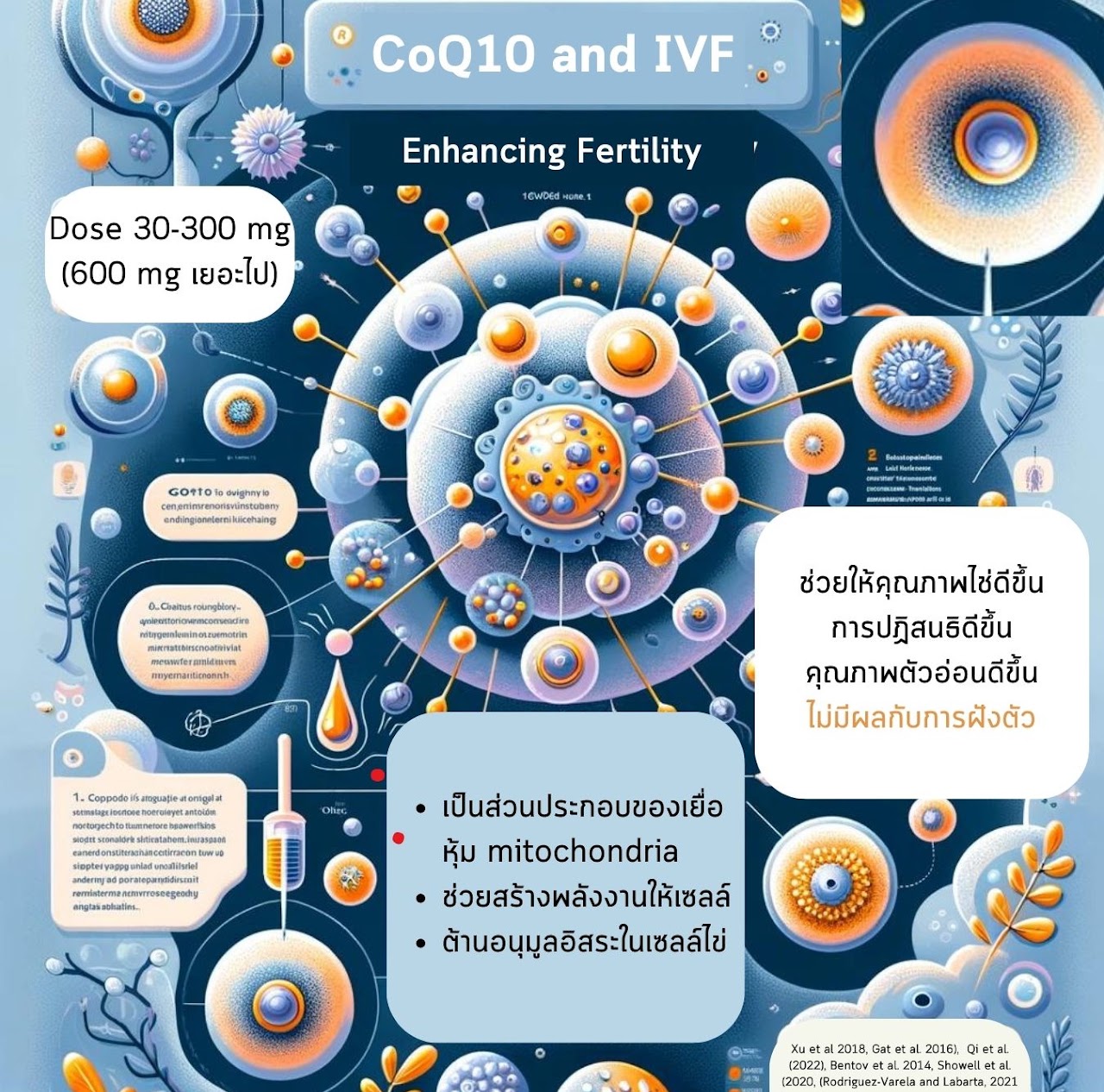
CoQ10
Figure 1 Summary of the effects of CoQ10 supplements on IVF
Role in the body
Plays an important role in producing energy in cells and acts as an antioxidant in the egg
Who is it for?
People whose ovaries respond poorly to stimulation (poor responders)
Dose
30-300 mg per day
Effects
May help improve egg quality and IVF treatment outcomes
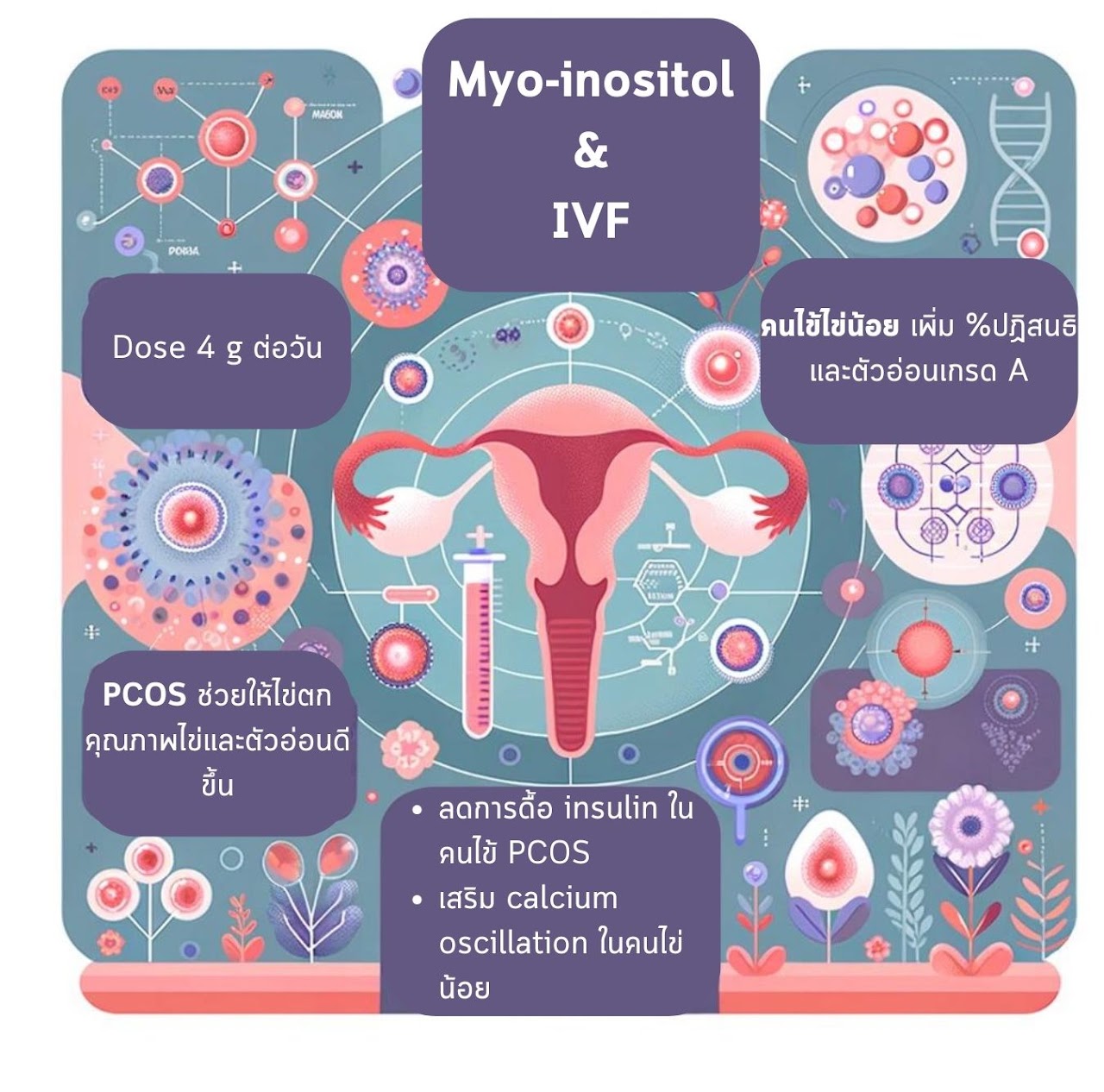
Myo-inositol
Figure 2 Summary of the effects of myo-inositol supplements on IVF
Role in the body
Plays a role in insulin signaling and may help improve egg quality
Who is it for?
PCOS and patients with few eggs
Dose
4 g per day
Effects
PCOS: helps with ovulation and improves embryo quality
Patients with few eggs: increases the fertilization rate and the number of grade A embryos
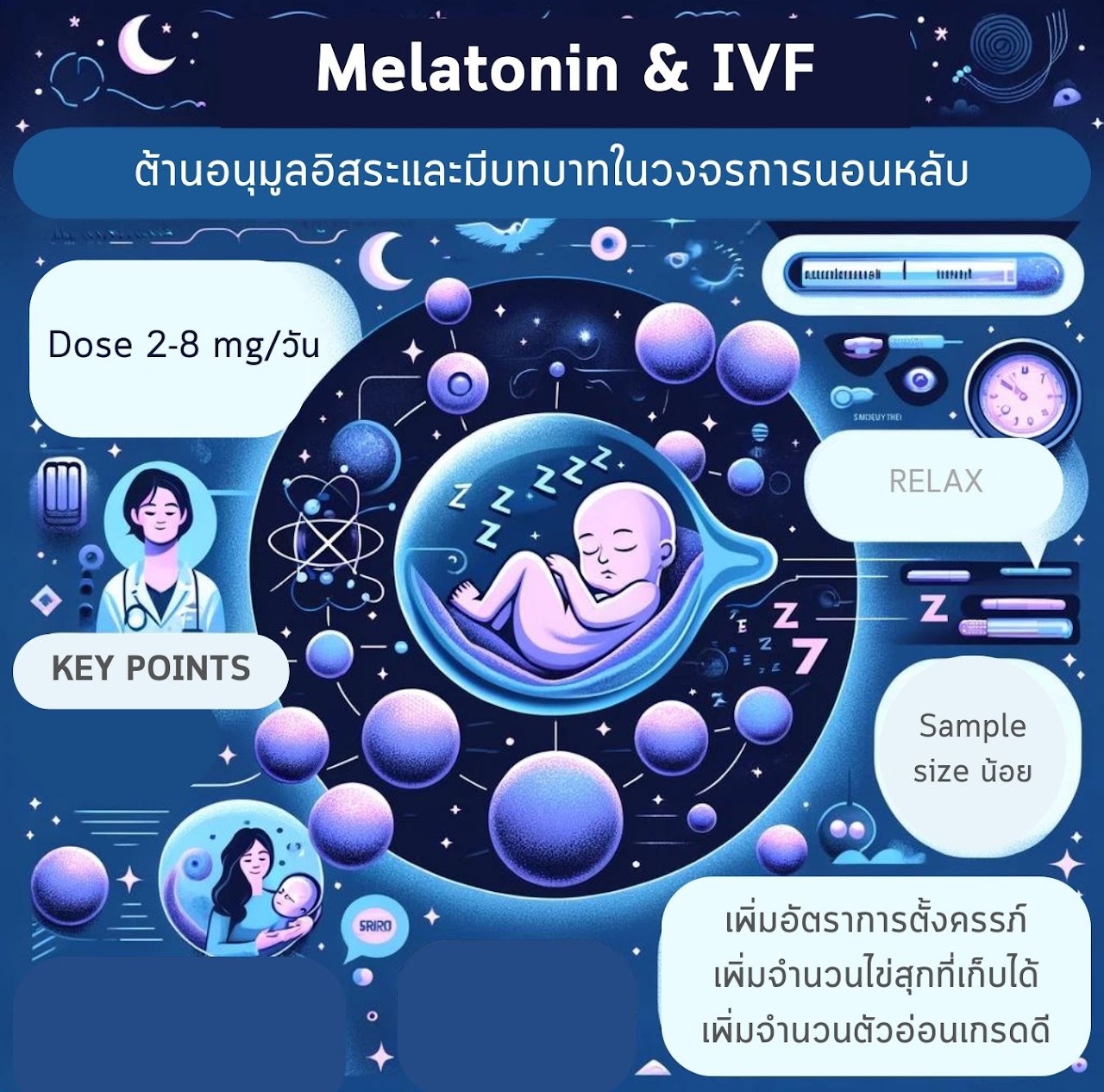
Melatonin
Figure 3 Summary of the effects of melatonin supplements on IVF
Role in the body
An antioxidant that may help improve egg quality; plays a role in the sleep cycle
Who is it for?
Unclear; the studies included many different patient groups
Dose
2-8 mg per day
Effects
May increase the pregnancy rate, the number of mature eggs and the number of good-quality embryos in IVF treatment
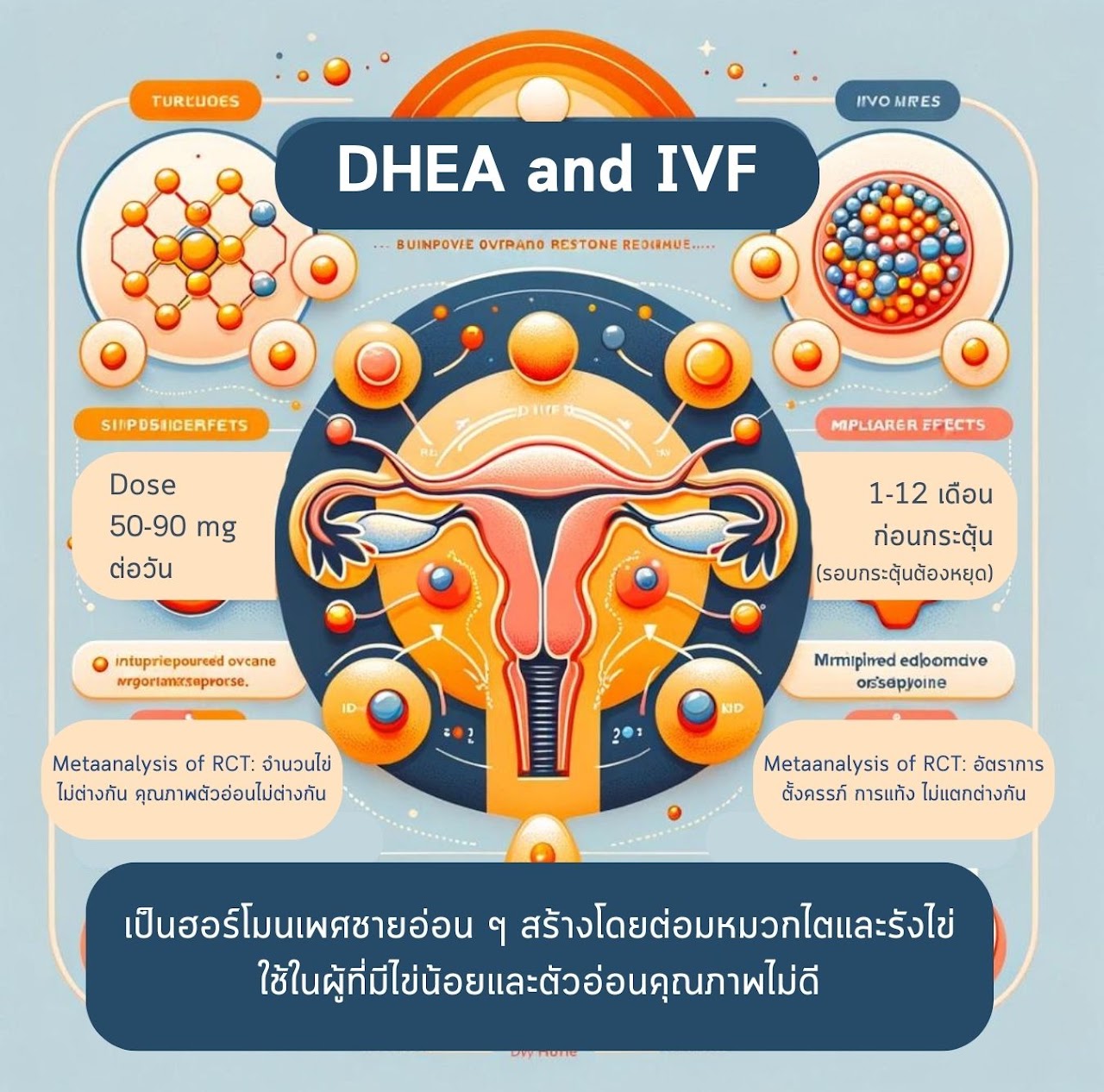
Dehydroepiandrosterone (DHEA)
Figure 4 Summary of the effects of DHEA supplements on IVF
Role in the body
A steroid that plays a role in producing sex hormones and may help improve IVF outcomes in women with a poor response to ovarian stimulation
Who is it for?
People with few eggs or who have had poor-quality embryos after a previous egg retrieval
Dose
50-90 mg per day for 1-12 months before ovarian stimulation (must be stopped when ovarian stimulation starts)
Effects
Data from several RCTs show that DHEA does not increase the number of eggs, does not increase the number of embryos, and does not change the pregnancy rate or the miscarriage rate compared with placebo
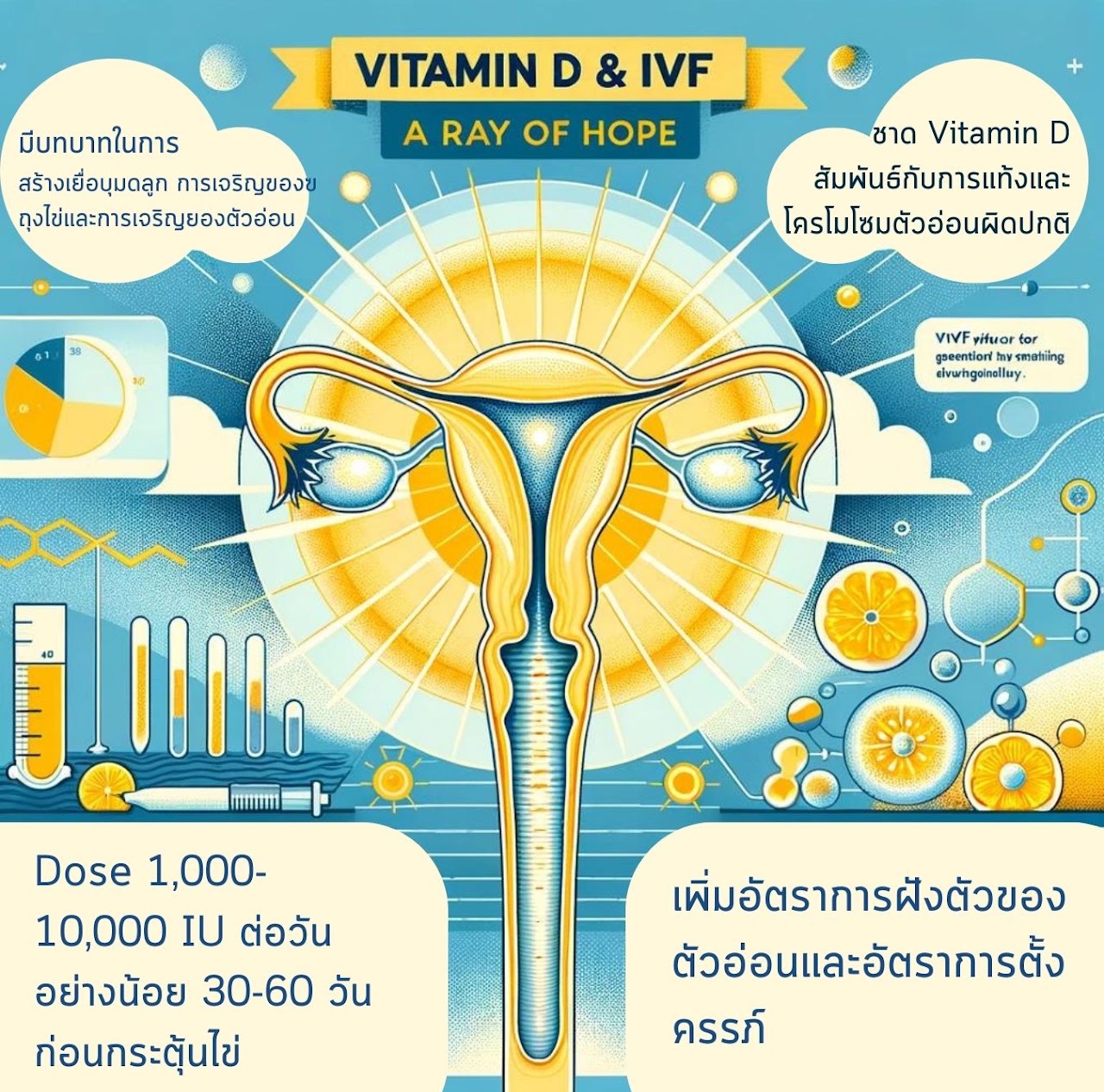
Vitamin D
Figure 5 Summary of the effects of Vitamin D supplements on IVF
Role in the body
Plays a role in building the uterine lining, follicle growth and embryo development
Vitamin D deficiency is associated with miscarriage and chromosomal abnormalities in embryos
Who is it for?
People with Vitamin D deficiency (many Thais are deficient; most people who don't take a supplement tend to be low)
Dose
1,000-10,000 IU per day, for at least 30-60 days before ovarian stimulation
Effects
May increase the embryo implantation rate and the pregnancy rate
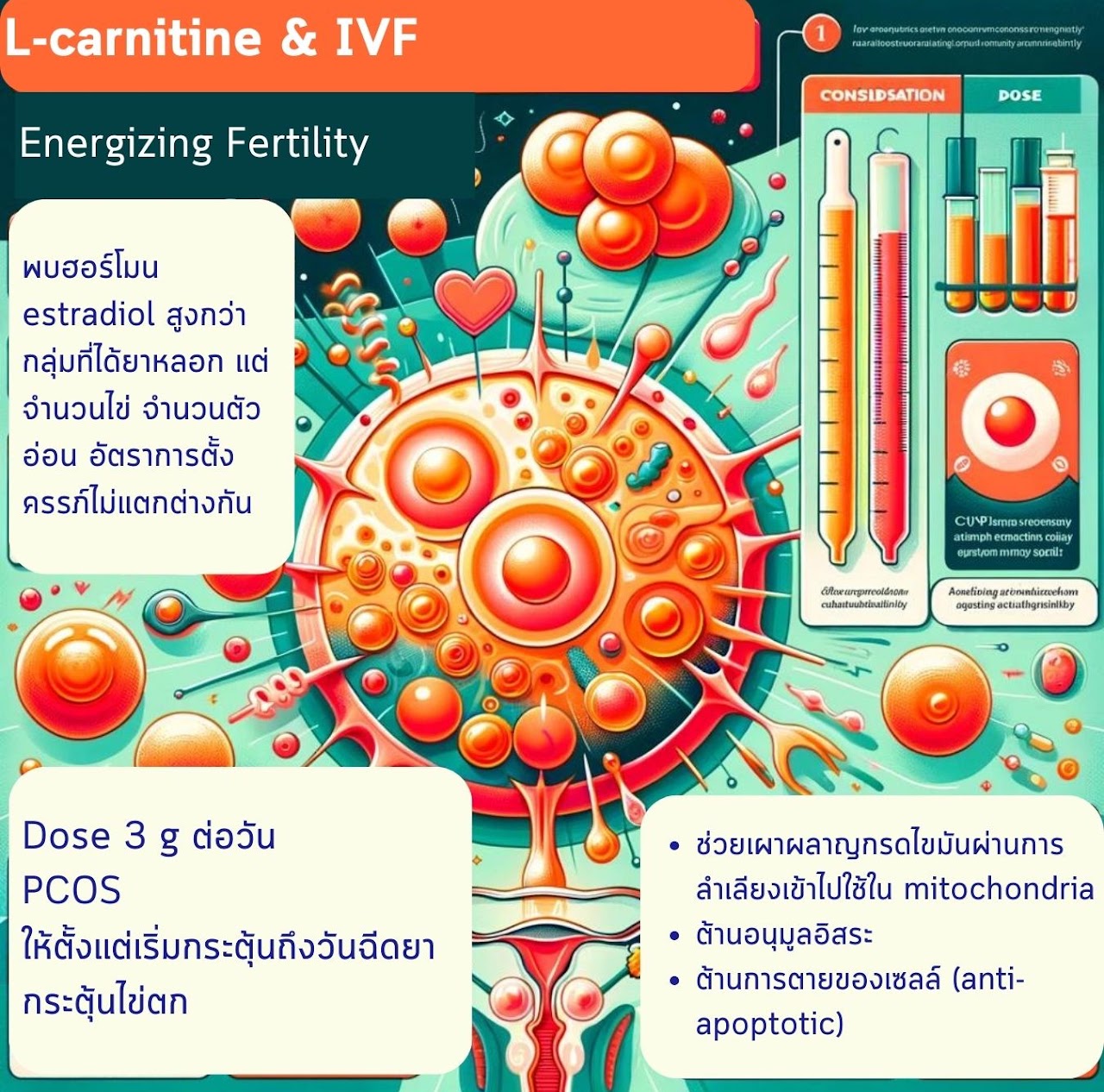
L-carnitine
Figure 6 Summary of the effects of L-carnitine supplements on IVF
Role in the body
Helps metabolize fat and may play a role in improving egg quality
Antioxidant
Prevents cell death (anti-apoptotic)
Who is it for?
PCOS (research data are still insufficient)
Dose
3 g per day in patients with PCOS, starting when stimulation injections begin and continuing until the day of the trigger injection
Effects
Estrogen levels were higher than in the placebo group, but the number of eggs, the number of embryos and pregnancy outcomes did not differ
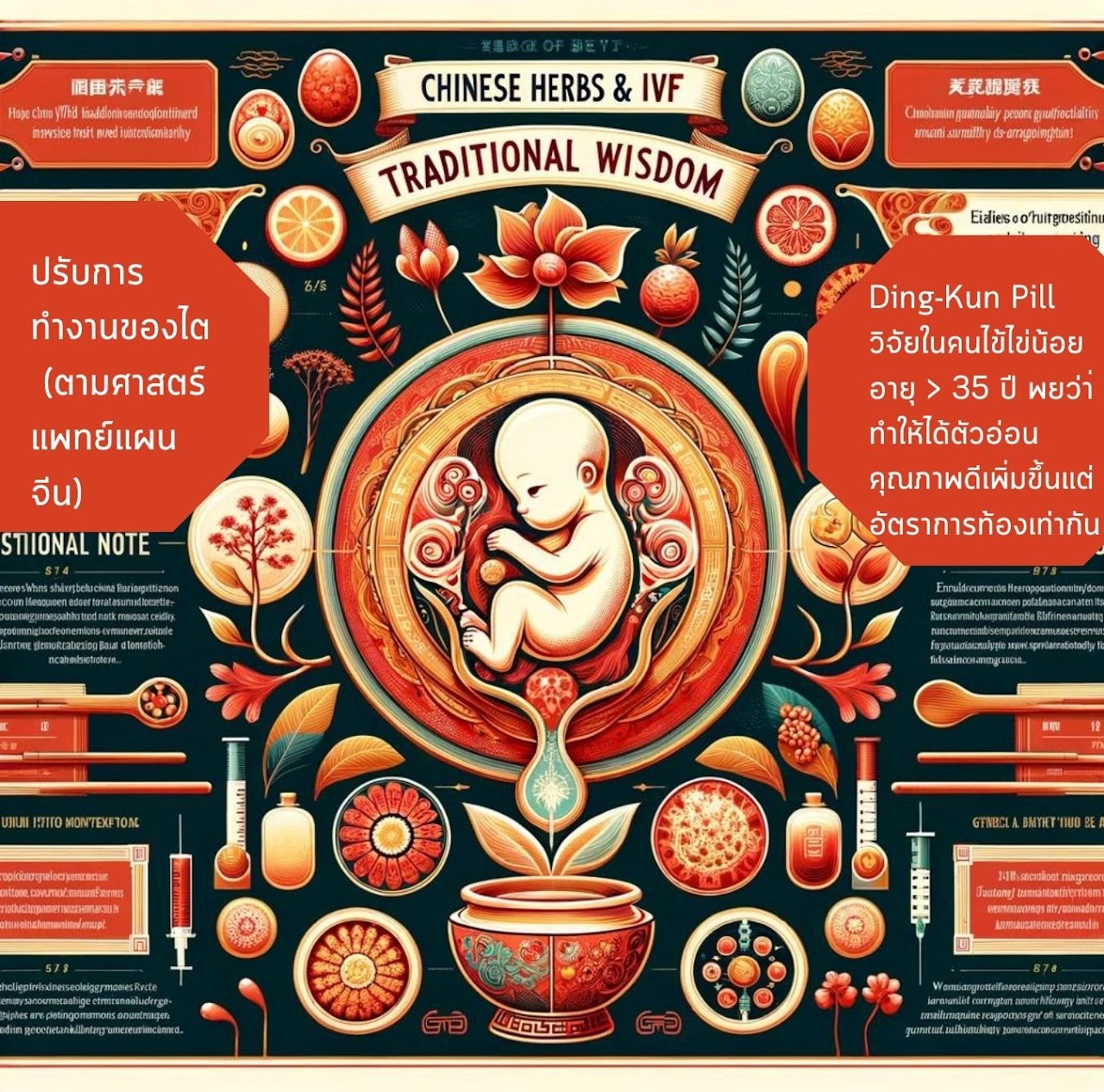
Chinese Herbs
Figure 7 Summary of the effects of Chinese herb supplements on IVF
Role in the body
Traditional Chinese medicine holds that the female reproductive system is linked to kidney function
Who is it for?
More data needed
Dose
Many different formulas
Effects
For example, there is research on Ding-Kun pills showing better embryo quality, but no difference in pregnancy rates
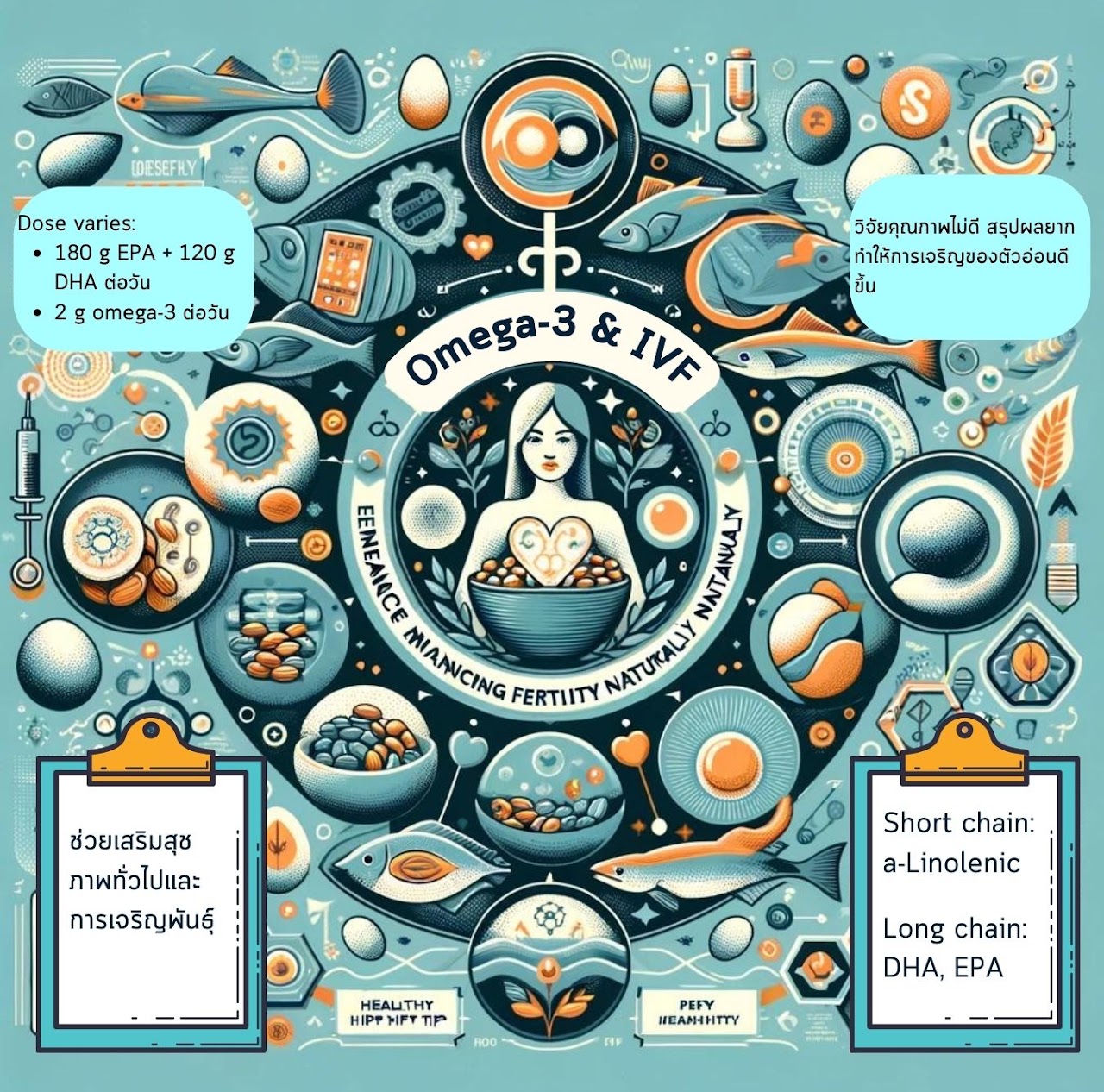
Omega-3 polyunsaturated fatty acids
Figure 8 Summary of the effects of omega-3 supplements on IVF
Role in the body
Supports general health and reproductive health
Who is it for?
More data needed
Dose
Many different formulas, such as 180 mg EPA + 120 mg DHA per day, or 2 g omega-3 per day
Effects
Getting these nutrients from food, such as nuts and fish, may help improve IVF outcomes, especially by increasing the pregnancy rate and shortening the time to pregnancy
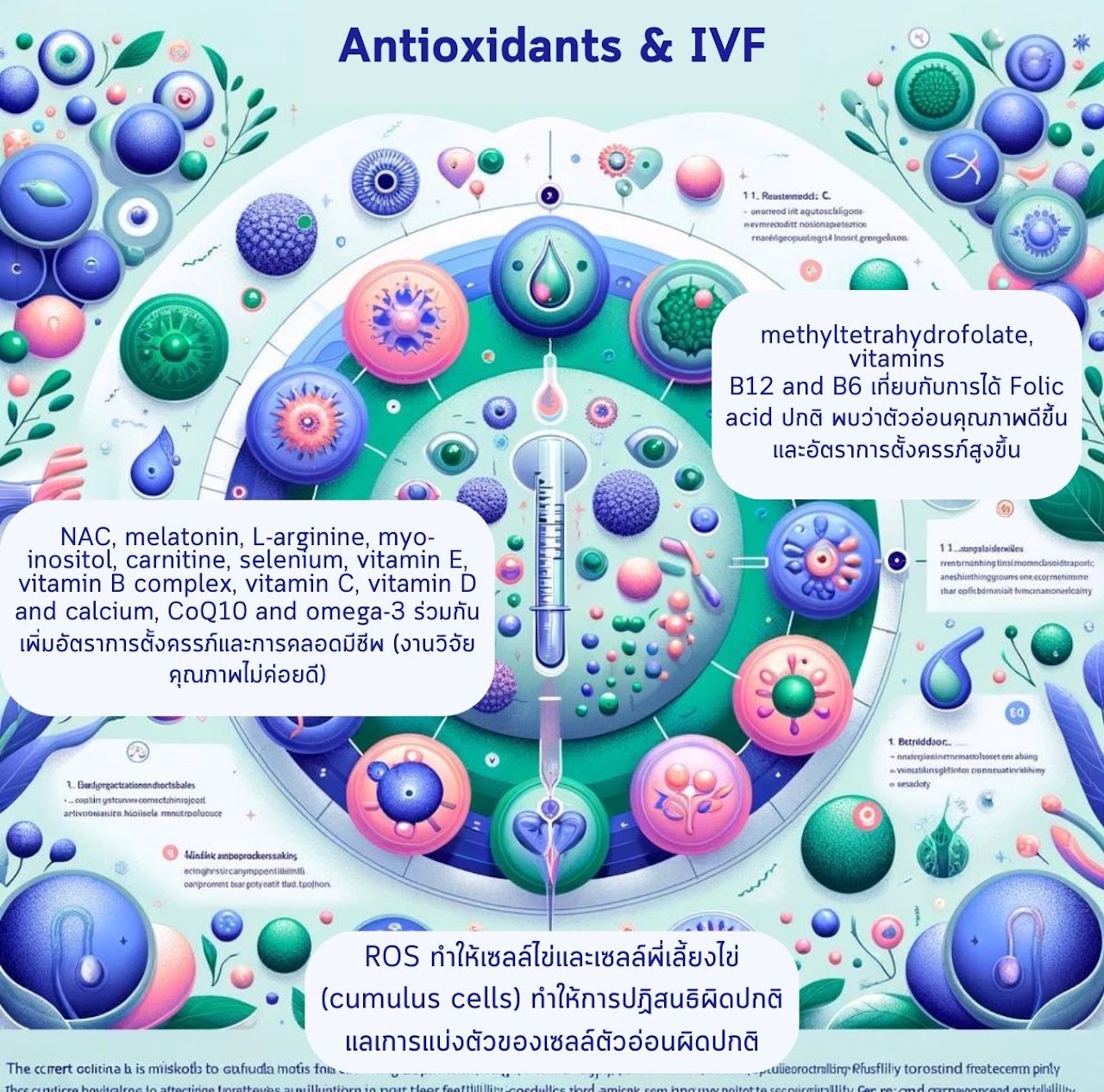
Antioxidants
Figure 9 Summary of the effects of antioxidant supplements on IVF
Role in the body
Reduce free radicals in egg cells and cumulus cells
Who is it for?
More data needed
Dose
Many different formulas
Effects
Antioxidant supplements may help improve egg quality and IVF outcomes
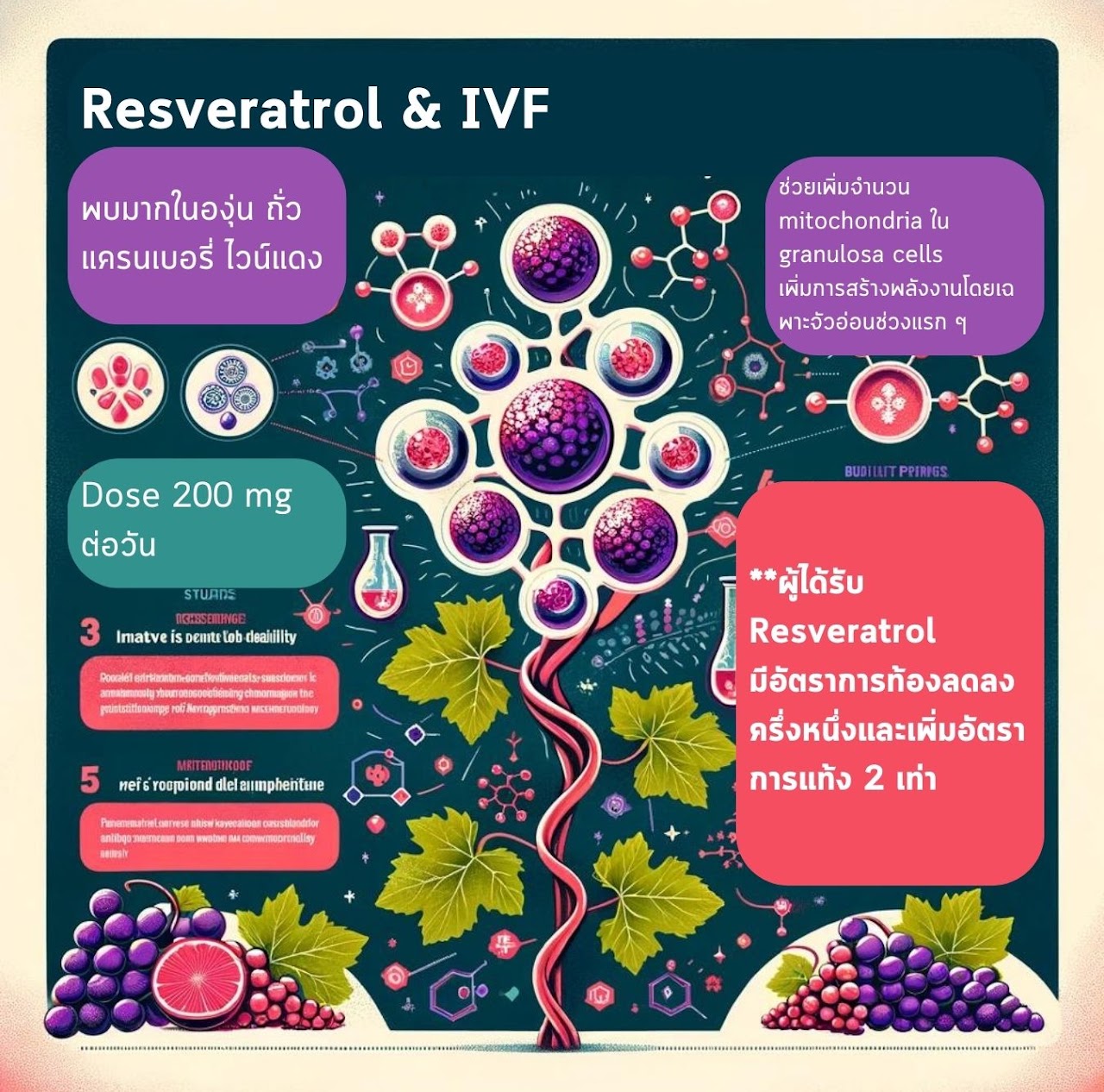
Resveratrol
Figure 10 Summary of the effects of resveratrol supplements on IVF
Role in the body
Found in grapes, nuts, cranberries and red wine. It is thought to increase the number of mitochondria in granulosa cells, which may help embryos develop better
Who is it for?
More data needed
Dose
200 mg per day
Effects
*People who took resveratrol had half the pregnancy rate and twice the miscarriage rate***
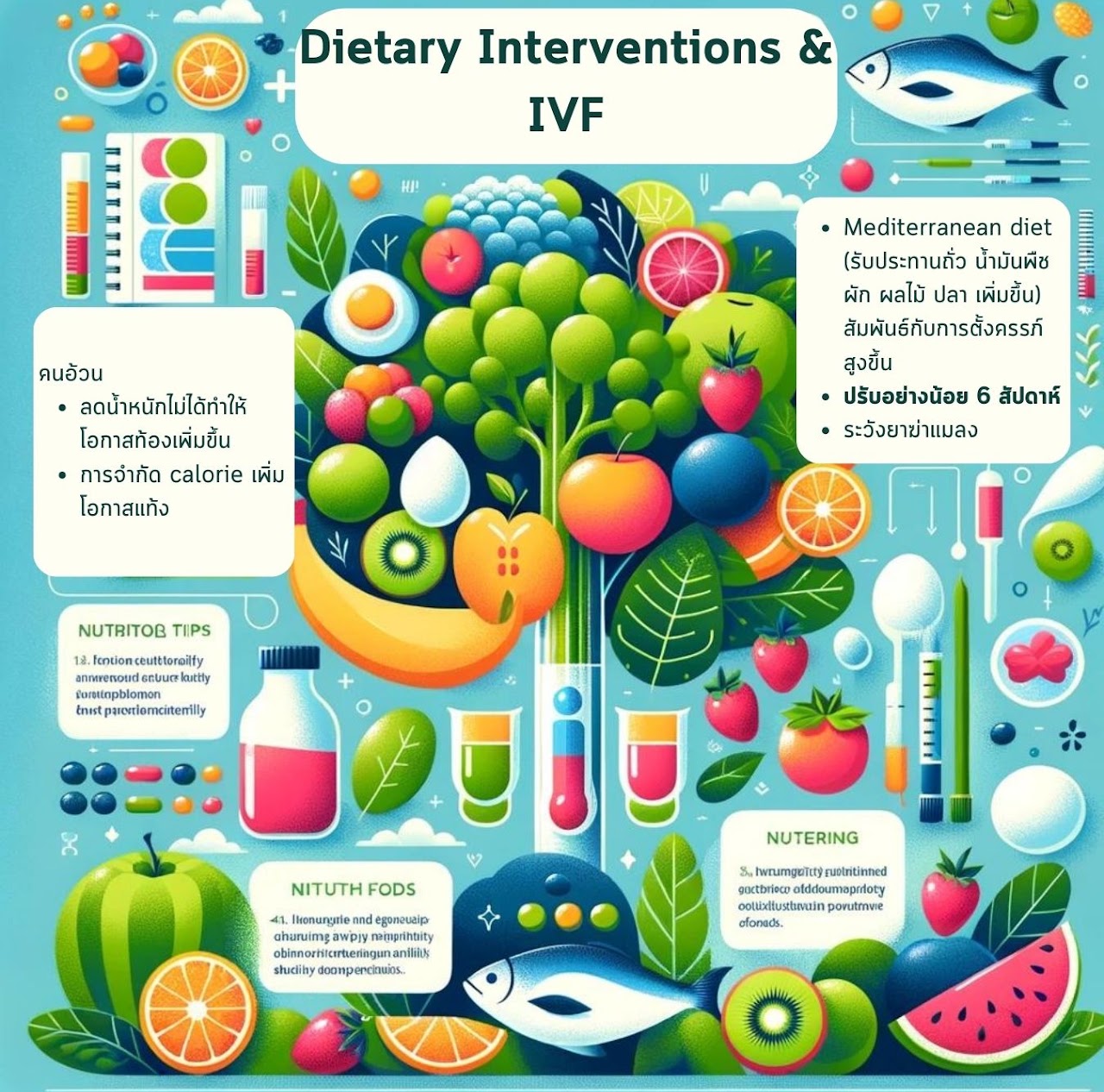
Dietary interventions
Figure 11 Summary of the effects of dietary interventions on IVF
In women with obesity, weight loss did not increase the chance of pregnancy. In addition, calorie restriction may increase the miscarriage rate.
A Mediterranean diet (eating more nuts, vegetable oils, vegetables, fruit and fish) is associated with higher pregnancy rates, with the diet change needed for at least 6 weeks.
Summary
There are many kinds of supplements and vitamins on the market. Some may even lower your chance of pregnancy, so it's worth looking into the evidence carefully.
References
Hart RJ. Nutritional supplements and ivf: An evidence-based approach. Reproductive BioMedicine Online. 2024;48(3).
* This article is general health education. Diagnosis and treatment should be guided by your doctor. Results vary with age and individual medical factors.
Dr. Patsama Vichinsartvichai, MD, MClinEmbryol, EFOG-EBCOG, EFRM-ESHRE/EBCOG, FACOG is a board-certified reproductive endocrinology & infertility specialist, former head of the Vajira IVF unit at Navamindradhiraj University, and founder of LIFE by Dr. Pat in Bangkok. His published research focuses on the dysmorphic (T-shaped) uterus and uterine-factor infertility.
 LIFE by Dr. Pat