Infertility can have many causes, and correcting any cause that is found should be considered before moving on to treatment with assisted reproductive technology (ART: IUI, IVF, ICSI). So each person with infertility should receive treatment suited to them.
Treating infertility with ART has become much more widespread. However, only a few causes of infertility actually require ART. The true indications for IVF are blocked fallopian tubes (tubal-factor infertility) and severe male-factor infertility. Although ART is highly effective, it comes with high costs and an invasive, complex treatment process (to see what full-option IVF involves, read here).
So if we want a baby and want to treat infertility but aren't ready for ART yet, what options do we have? Today I'll walk you through them.
Expectant Management and Timed Intercourse
In plain terms, this means tracking ovulation and having intercourse around the days close to ovulation (read more about how to track ovulation and use the ovulation calculator here). I believe almost every patient has, at some point, pinned their hopes on tracking ovulation.
Figure 1 shows that the people likely to succeed with timed intercourse are those who already have a good chance of conceiving on their own: aged 38 or younger, or with at least a 30% chance of natural conception within 1 year according to the prediction calculator (you can calculate your chance of conceiving here). Most importantly, ovulation must be normal and happen on its own (so if you have PCOS or a similar condition, you can skip this option). The fallopian tubes also must not be blocked. If there is a tubal problem, this method isn't suitable either.
IUI with/without Ovulation Stimulation
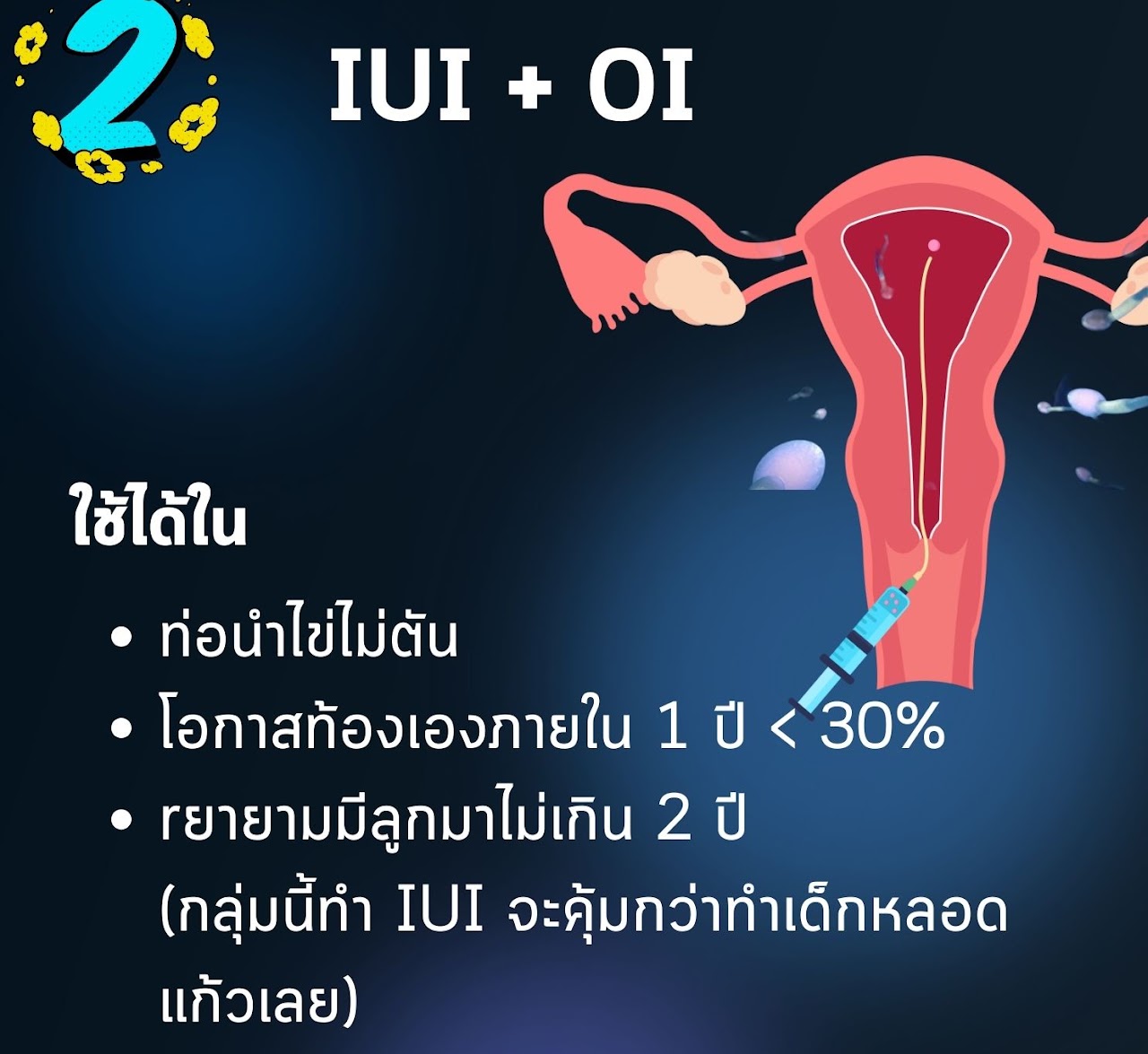
Intrauterine insemination (IUI) is a fertility treatment option most of us know well. In IUI, sperm prepared in the laboratory are placed into the uterine cavity. This shortens the distance and bypasses the filtering of sperm by the cervix, which increases the chance that healthy sperm reach and fertilize the egg. Stimulating the ovaries so that more than 1 egg is released may also increase the chance of pregnancy (Figure 2).
IUI still requires normal fallopian tubes. Research shows that the people who benefit from IUI are those with a less favorable outlook: those whose chance of natural conception within 1 year is below 30% have a higher chance of success than those whose chance of natural conception within 1 year is above 30% (you can calculate your own chance of natural conception within 1 year here).
Many patients ask which is better: doing several rounds of IUI to build up a higher cumulative chance of pregnancy, or going straight to IVF. Studies have found that if your chance of pregnancy is low (a chance of natural conception within 1 year below 30%) and you have been trying for a baby for no more than 2 years, several rounds of IUI are cost-effective and less expensive than going straight to IVF.
Tubal Flushing
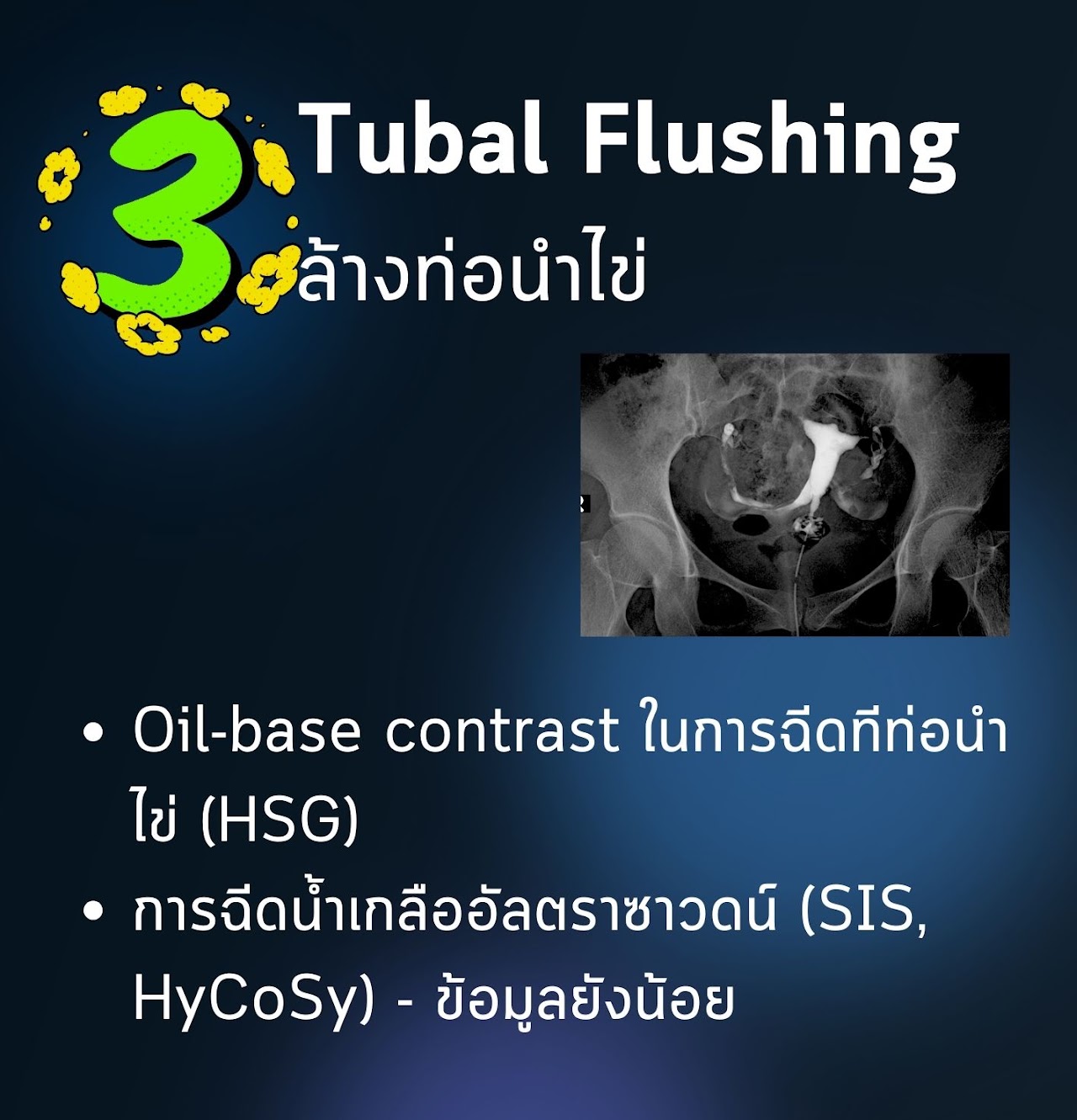
I really like this term. Tubal flushing means flushing out the (fallopian) tubes. The word used here is 'flushing', just like flushing a toilet. 'Tubal flushing' is part of the fallopian tube assessment we do before planning treatment, whether that's an X-ray dye test (hysterosalpingography; HSG) using water-soluble or oil-soluble contrast media, HyCoSy, HyFoSy, or a dye test during gynecologic laparoscopic surgery.
Pregnancy data after HSG with oil-soluble contrast media show that the cumulative pregnancy rate increased in those tested, especially in the first 6 months. Other methods of tubal testing have also been reported to increase pregnancy rates, but there are still limited data.
Figure 3 shows tubal flushing
In Vitro Maturation
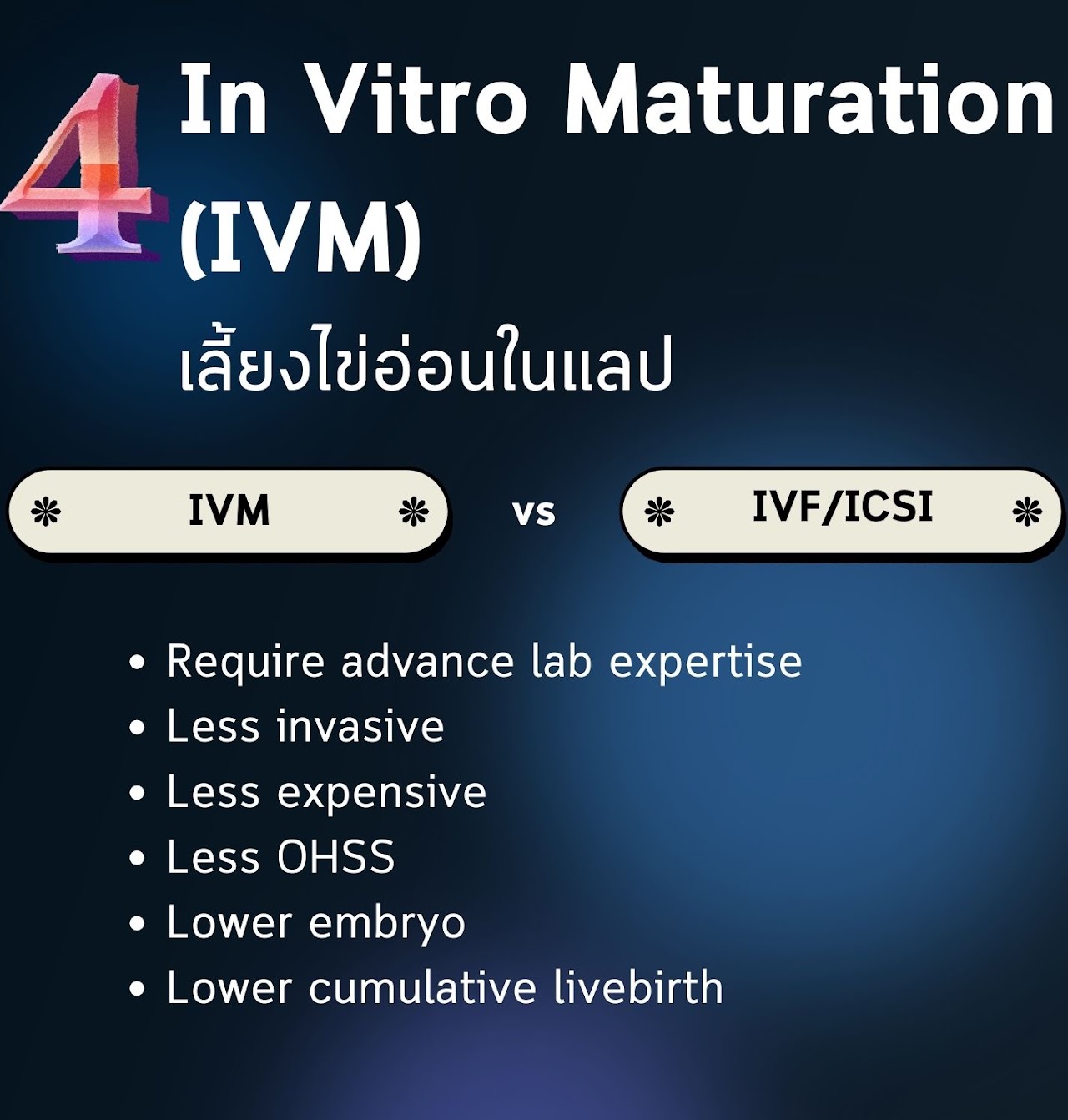
In vitro maturation (IVM) is a laboratory technology that requires a high level of skill, so it is not yet widely available. Eggs are collected from antral follicles and cultured in the laboratory until they mature, and are then fertilized. An IVM stimulation cycle uses lower doses of stimulation medication, and eggs are collected from smaller follicles than in standard IVF. This means lower medication costs and a lower chance of ovarian hyperstimulation syndrome (OHSS). However, IVM has been found to have a lower cumulative live birth rate than standard IVF, so much more research is still needed (Figure 4).
Patients who may benefit from IVM include those with a high number of starting follicles, high responders and normal responders to stimulation (normo-responders), and patients with PCOS.
Figure 4 shows the concept of the in vitro maturation technique in the laboratory
Intravaginal Culture (IVC)
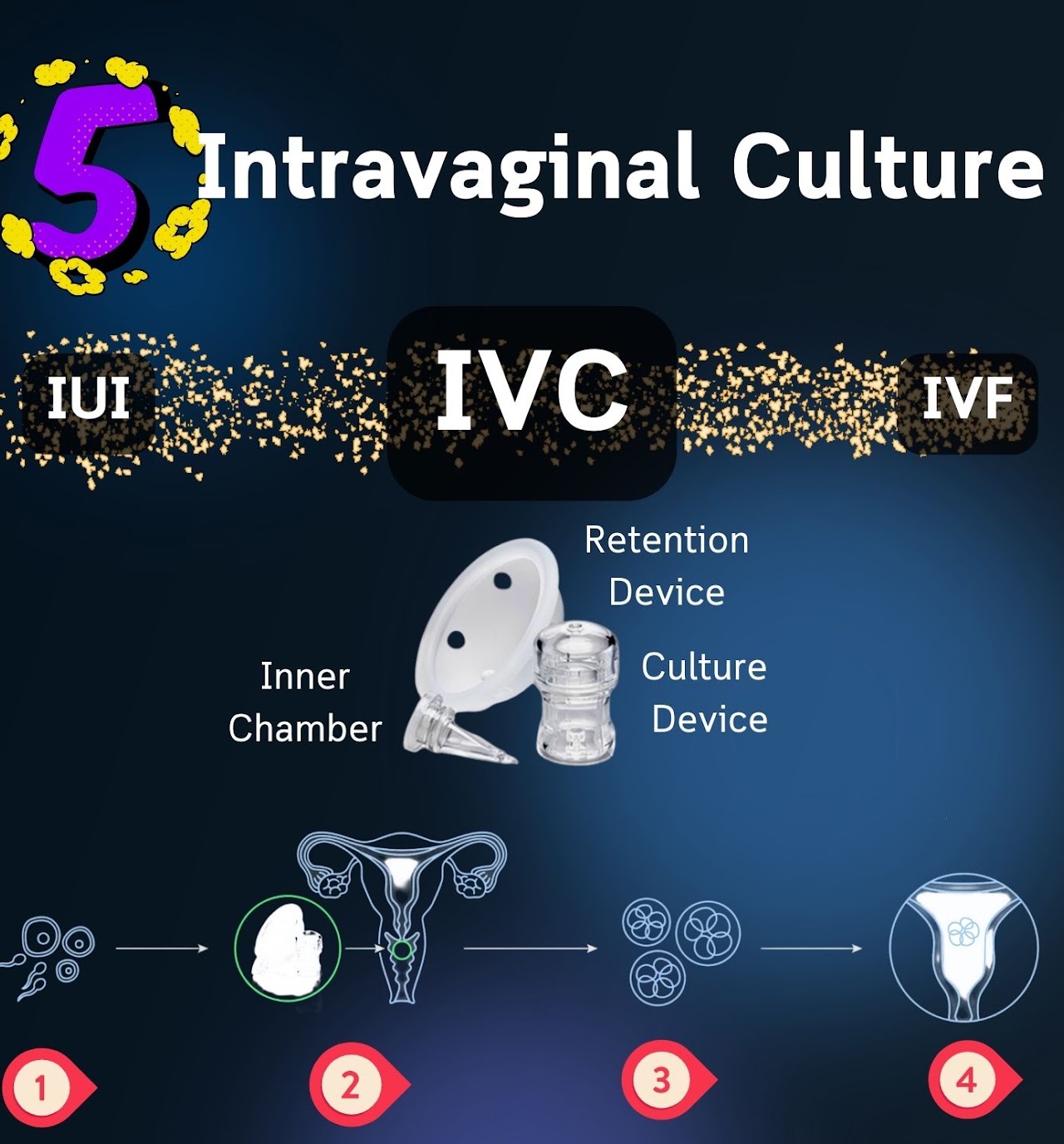
Culturing embryos in an intravaginal culture device was first reported in the '80s in France, as a way to solve problems with embryo incubators at the time. The principle of IVC is a device that can hold embryo culture medium and embryos inside it. It must not release any toxic substances that could put the embryos at risk, and the material it's made from must let certain substances and gases, such as CO2, pass through. So when the device sits in the vagina, the culture medium inside stays at a constant temperature (the mother's body temperature), with stable pH and stable concentrations of substances in the medium, much like the embryo incubators we use in the lab. Currently there is only 1 IVC device on the market, called INVOcell, as shown in Figure 5.
Figure 5 shows the device and the principle of embryo culture with intravaginal culture (IVC)
As the figure shows, the device has 2 main parts. The cone-shaped inner chamber holds the eggs and sperm in the case of IVF, or the eggs already injected with sperm in the case of ICSI (1 chamber can culture 10 embryos). The rest of the cone is filled with embryo culture medium. This inner chamber is then placed inside the capsule-shaped culture device, which is closed tightly, and the device is placed in the mother's vagina so she can culture the embryos at home. A retention device is placed below the culture device to keep it from slipping out.
The concept of using INVOcell has 2 parts. First, mild stimulation is recommended, because one INVOcell holds a maximum of 10 embryos. Embryos can be cultured to day 3 or day 5, and a fresh embryo transfer is recommended.
So the patients suited to IVC are high responders, or normal responders aged 38 or younger.
Summary
To reach the highest pregnancy rate possible for each patient, infertility treatment should begin with a complete evaluation to find the cause and correct whatever can be corrected. Then, if pregnancy still doesn't happen naturally, ART can be considered. Beyond IVF, there are many other options that can help patients have a baby sooner, such as timed intercourse, IUI with or without ovarian stimulation, tubal flushing, in vitro maturation and intravaginal culture.
References
Wessel, Jennifer A. et al. Alternatives to in vitro fertilization. Fertility and Sterility 2024, 120, 3, 483 - 493.
* This article is general health education. Diagnosis and treatment should be guided by your doctor. Results vary with age and individual medical factors.
Dr. Patsama Vichinsartvichai, MD, MClinEmbryol, EFOG-EBCOG, EFRM-ESHRE/EBCOG, FACOG is a board-certified reproductive endocrinology & infertility specialist, former head of the Vajira IVF unit at Navamindradhiraj University, and founder of LIFE by Dr. Pat in Bangkok. His published research focuses on the dysmorphic (T-shaped) uterus and uterine-factor infertility.
 LIFE by Dr. Pat