Diploma in Gynecologic Endoscopic Surgery, MClinEmbryol,
EFOG-EBCOG., EFRM-ESHRE/EBCOG.
#EffortlessIVF #DIYsoEasy Patients can culture their own embryos too. Today I saw people debating whether embryos do better growing in the uterus or being cultured in the lab. Think about how it works in nature. Embryos normally develop in the environment of the fallopian tubes and uterus, right? Nothing needs adjusting: temperature, humidity, pH, salt concentration, nutrients and so on. Your body keeps all of it balanced automatically, 24 hours a day, with no need to worry about power cuts.
It's culturing embryos outside the body that we have spent decades studying, trying to work out what the remarkable environment of the uterus and fallopian tubes is actually made of. Even today we still don't have all the answers, and exciting new studies keep coming out.
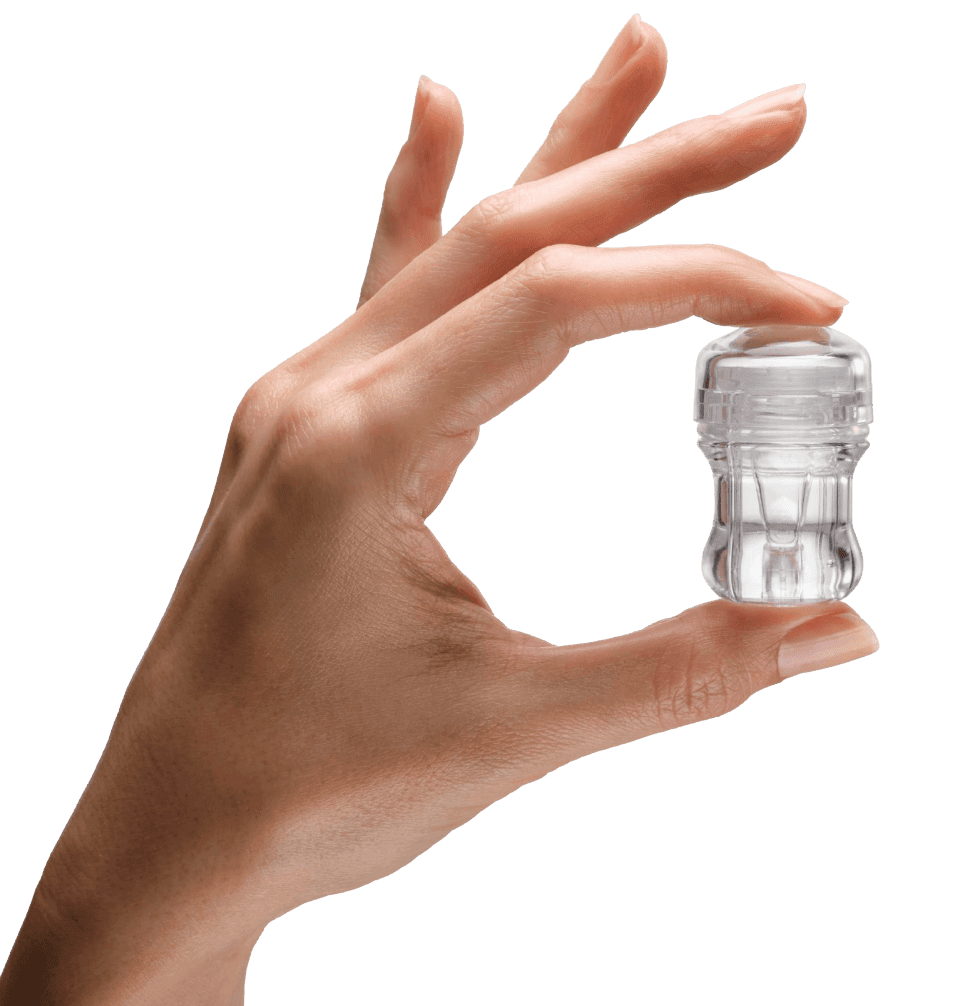
So someone clever came up with this device, called "INVOcell." Instead of leaving your embryos with the doctor and the embryologists to culture in the lab, with the risks of power outages, medical gas running out, and changes in temperature and pH, you put the embryos and culture medium into a small chamber and culture them in your own vagina. No need to adjust the temperature; it stays constant. The pH stays constant too. The mother-to-be simply keeps the embryos in the INVOcell. Culturing embryos for 3 or 5 days is no problem at all. Research has found that treatment outcomes with intravaginal embryo culture using INVOcell are no different from culturing embryos in the lab. It costs less, and you can feel reassured that your embryos definitely aren't going anywhere, right?
Happy Baby-making!
Dr. Patsama
* This article is general health education. Diagnosis and treatment should be guided by your doctor. Results vary with age and individual medical factors.
Dr. Patsama Vichinsartvichai, MD, MClinEmbryol, EFOG-EBCOG, EFRM-ESHRE/EBCOG, FACOG is a board-certified reproductive endocrinology & infertility specialist, former head of the Vajira IVF unit at Navamindradhiraj University, and founder of LIFE by Dr. Pat in Bangkok. His published research focuses on the dysmorphic (T-shaped) uterus and uterine-factor infertility.
 LIFE by Dr. Pat